
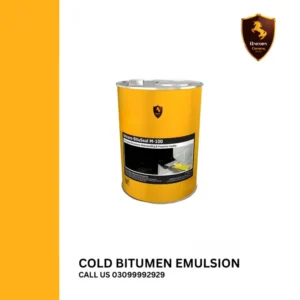
Bitumen Emulsion
Cold-applied bituminous waterproofing emulsion.
COLD BITUMEN EMULSION
Cold Bitumen Emulsion offers exceptional adhesive properties for road construction and repairs. Its unique formulation…
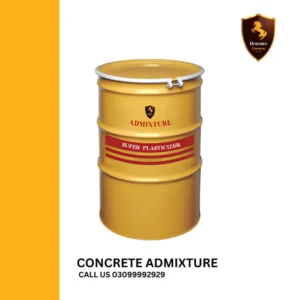
Concrete Admixture – High-Performance Additive for Stronger, Durable & Workable Concrete
Concrete Admixture is a premium-quality construction chemical designed to enhance the performance, strength, durability, and…
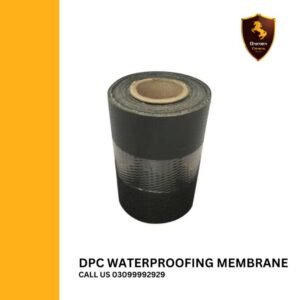
DPC Waterproofing Membrane – High-Performance Damp Proof Protection for Buildings
DPC Waterproofing Membrane is a premium-quality damp proof course solution designed to prevent rising dampness…
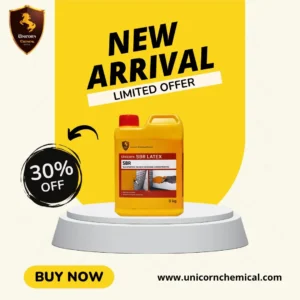
Epoxy for Anchors – High Strength Chemical
Epoxy for Anchors is a high-performance, two-component chemical anchoring adhesive
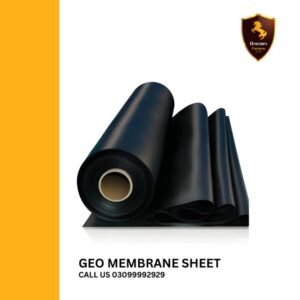
EPS Sheets
Expanded polystyrene insulation sheets.
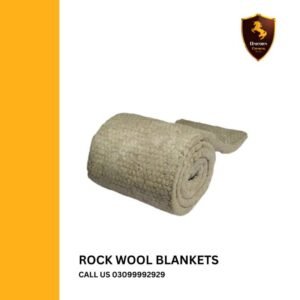
Glass Wool Sheets
Thermal insulation sheets for buildings.
Hygrip Membrane Roll
Self-adhesive waterproofing membrane roll.
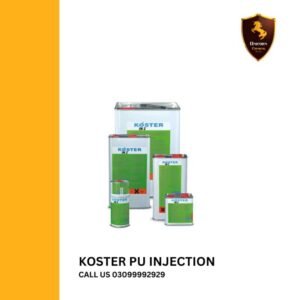
Koster PU Injection
Polyurethane injection resin for active leak sealing.
SBR Chemical
SBR polymer chemical for concrete bonding and waterproofing.
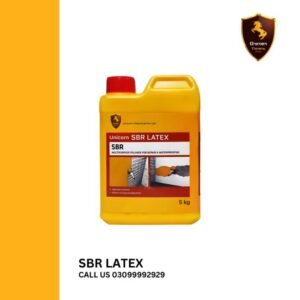
SBR LATEX
SBR latex polymer admixture for concrete and mortar.
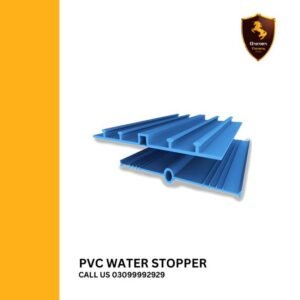
Unicorn PVC Waterstop
PVC waterstop for concrete joint sealing.
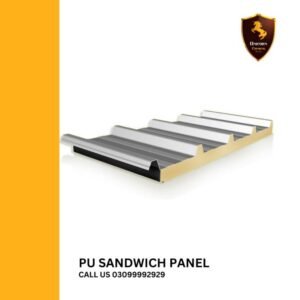
Unicorn Roof Membrane Sheet
Self-adhered roof membrane sheet.
Unicorn Torch Membrane Sheet (APP)
APP-modified bituminous membrane for flat roof waterproofing.
No products matched your search. Ask our team for a recommendation.
Common product questions
SBR admixture is used to improve the bonding strength, water resistance, and flexibility of concrete and mortar in repair and waterproofing applications.
Yes, new construction is the best time for waterproofing. It can be integrated during building design and incorporated into the construction process.
Signs include dampness on walls, musty odours, visible mould, water stains, and efflorescence (white powdery deposits). If you notice any of these, professional waterproofing is recommended.
Spray foam insulation provides superior thermal performance, air sealing, moisture barrier, and sound deadening properties.
Waterproofing your roof involves applying a protective coating or membrane that prevents water from seeping through. Common methods include liquid waterproofing membranes, bituminous coatings, or polyurethane-based systems. The surface must be cleaned and cracks repaired before the waterproofing material is applied evenly to create a watertight seal.
Seepage is typically caused by poor waterproofing, cracks in walls or roofs, inadequate drainage systems, or damaged plumbing, and can also occur from water accumulation during heavy rain finding its way through weak points.
Need bulk pricing or technical data sheets?
Our technical team responds within one business day.