
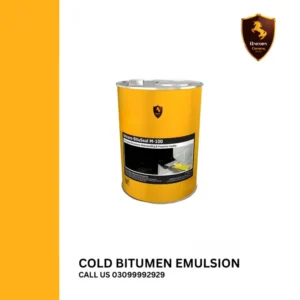
Bitumen Emulsion
Cold-applied bituminous waterproofing emulsion.
No products matched your search. Ask our team for a recommendation.
Showing the single result
Cold-applied bituminous waterproofing emulsion.
No products matched your search. Ask our team for a recommendation.
Common signs include damp patches on walls or ceilings, mould growth, peeling paint, and a musty odour. If you notice any of these, address the issue immediately to prevent further structural damage.
Heat proofing reduces the absorption of solar heat into the building, helping maintain a cooler indoor temperature, lowering energy costs and improving comfort. Reflective coatings and thermal insulation are the most common methods used.
Seepage is typically caused by poor waterproofing, cracks in walls or roofs, inadequate drainage systems, or damaged plumbing, and can also occur from water accumulation during heavy rain finding its way through weak points.
Termite control involves soil treatment with approved chemicals that create a protective barrier around the building, preventing termites from entering.
Concrete admixtures are chemicals added during mixing to improve concrete properties like workability, strength, durability, and water resistance.
No, waterproofing must be applied on dry surfaces. We schedule work during dry weather to ensure proper application and curing.
Our technical team responds within one business day.